Why fresh produce packaging Is the Trusted Solution for Freshness Preservation
Sustainable and Stylish: What's Next for Fresh Produce Boxes Packaging
The fresh produce packaging sector is undergoing transformation. Eco-friendliness and visual appeal have become vital elements for appealing to eco-conscious consumers. These consumers demand packaging that reduces environmental impact while maintaining aesthetic appeal. Novel designs and sustainable materials are appearing to satisfy these requirements. The interaction between functionality and visual appeal raises important questions about the future of packaging in this sector. Which innovations will shape the next generation of fresh produce boxes?
Why Sustainable Packaging Matters in Fresh Produce
Sustainability emphasizes the increasing need for environmentally friendly practices in the food industry, especially in the packaging of fresh produce. Standard packaging methods typically rely on plastics that lead to environmental degradation and waste. By moving towards sustainable packaging solutions, the industry can substantially reduce its ecological footprint. Materials such as biodegradable plastics, recycled paper, and plant-based options are gaining popularity, fostering both environmental integrity and consumer appeal.
Additionally, environmentally conscious packaging not only decreases waste but also improves the shelf life of fresh produce, minimizing spoilage and loss. This double advantage matches the growing demand for transparency and responsibility in sourcing and packaging among consumers. As awareness of environmental issues grows, the importance of sustainable packaging becomes paramount, positioning brands that prioritize these practices as leaders in an increasingly eco-conscious marketplace. Embracing sustainable packaging is not just a trend; it is a essential evolution in the fresh produce sector.
What Environmentally Aware Consumers Desire
Green-minded buyers more and more prefer minimalist designs that embody their beliefs of environmental stewardship and minimalism. They are also seeking packaging constructed of eco-friendly materials, aligning their shopping practices with ecological accountability. Recognizing these inclinations is crucial for brands seeking to engage this increasing market segment.
Minimalistic Design Choices
How might packaging embody the ideals of modern mindful shoppers? Minimalist design preferences are increasingly favored among eco-conscious shoppers, seeking a combination of simplicity and practical use. This design ethos emphasizes simple shapes, muted tones, and minimal branding elements, matching the demand for honesty and true representation. Consumers value packaging that showcases the inherent appeal of the products inside, developing a closer tie to the products they purchase. Moreover, basic design concepts commonly minimize resource use, supporting environmental objectives. By prioritizing essential elements, businesses can express their pledge to sustainable practices while attracting customers' stylistic inclinations. This transition to streamlined aesthetics enriches the opening encounter but also resonates with the values of mindful consumption.
Biodegradable Material Requirements
With growing consumer awareness of environmental issues, the demand for biodegradable materials in packaging has grown significantly. Eco-conscious shoppers are prioritizing sustainability, seeking products that reduce environmental harm. This shift is prompting brands to explore innovative materials such as paper alternatives, compostable films, and plant-derived plastics. These biodegradable options not only decrease waste in landfills but also align with consumers' values of responsible consumption. Market research indicates that shoppers are willing to pay a premium for packaging that is environmentally friendly, reflecting a wider movement toward sustainability in purchasing decisions. As a result, companies are reacting by incorporating biodegradable solutions into their packaging strategies, improving their appeal to a rising number of environmentally aware consumers.
Core Materials for Environmentally Friendly Produce Crates
The selection of materials for eco-friendly produce boxes plays a crucial role in sustainable packaging. Choices like biodegradable materials, recyclable substances, and innovative plant-based solutions are gaining attention for their environmental benefits. Understanding these key materials can support consumers and producers reach knowledgeable conclusions that encourage sustainability.
Sustainable Packaging Alternatives
Numerous biodegradable packaging solutions are currently available for eco-friendly produce boxes, indicating a growing commitment to sustainability. Materials such as cornstarch, mushroom mycelium, and plant-based plastics are continually favored for their ability to decompose naturally without leaving harmful residues. Moreover, paper and cardboard made from recycled resources offer a lightweight yet durable alternative, suitable for various produce types. These materials not only minimize environmental impact but also enhance the consumer experience by aligning with values of health and responsibility. As demand for sustainable packaging rises, manufacturers are innovating to create functional designs that preserve freshness while minimizing waste, paving the way for a greener future in the produce industry.
Materials in Application That Are Recyclable
Investigating recyclable materials reveals a spectrum of eco-friendly options that boost the sustainability of produce boxes. Cardboard, a widely used recyclable material, provides strength and versatility while being easily repurposed. Paperboard packaging, equivalent in characteristics, presents a lightweight solution that can be efficiently recycled. Furthermore, certain plastics, such as PET and HDPE, are increasingly being integrated into produce box designs. These materials not only reduce waste but also support a closed-loop system when collected properly. The use of inks and adhesives that are also recyclable further reinforces these efforts. By prioritizing recyclable materials, companies can significantly decrease their environmental footprint, aligning with consumer demands for sustainable practices in the food packaging industry.
Advanced Flora-Based Options
Whereas traditional materials control packaging, innovative plant-based solutions are surfacing as game-changers for eco-friendly produce boxes. These materials, obtained from renewable resources such as corn starch, sugarcane, and bamboo, present sustainable alternatives that reduce environmental impact. Biodegradable options degrade naturally, lowering landfill waste and encouraging a circular economy. Furthermore, plant-based polymers can be developed to offer durability while retaining a lightweight profile, improving transport efficiency. Companies are increasingly adopting these solutions to meet consumer demand for sustainability, often including eye-catching designs that emphasize their eco-friendliness. As technology progresses, these materials persistently evolve, promising even greater functionality and aesthetic appeal, paving the way for a greener future in produce packaging.
Environmentally Responsible Designs That Appeal to Eco-Conscious Customers
In what ways can sustainable packaging designs effectively attract the attention of eco-conscious consumers? The answer can be found in several strategic elements that resonate with their values. To begin with, using recyclable or biodegradable materials exhibits a commitment to environmental responsibility, appealing directly to consumers' desire for sustainable practices. Furthermore, minimalistic designs that cut down on waste not only convey a message of simplicity but also align with the eco-conscious ethos of reducing excess.
In addition, incorporating elements such as natural inks and dyes strengthens the sustainable quality of the product. Clear labeling that showcases sustainability efforts enlightens consumers, fostering trust and loyalty. In conclusion, engaging storytelling about the roots of materials and the brand's mission can develop a deeper connection, making the packaging beyond merely a container. By incorporating these features, companies can create packaging that not only appeals to eco-conscious consumers but also encourages them to actively champion sustainable brands.
Attaining Aesthetic Appeal and Sustainability in Packaging
Reaching Visual Appeal and Eco-Friendliness in Packaging
Securing Aesthetic Appeal and Environmental Sustainability in Packaging
Reaching Aesthetic Appeal and Environmental Responsibility in Packaging
Achieving Aesthetic Appeal and Eco-Conscious Packaging
Environmentally responsible packaging can reach aesthetic appeal while maintaining its ecological soundness. Through incorporating organic materials, for example biodegradable plastics and recycled paper, brands can create visually striking designs that appeal to environmentally aware customers. The use of vibrant colors obtained from vegetation-derived colorants enhances the design attractiveness while preserving sustainability.
Creative shapes and clean designs can also improve packaging aesthetics, attracting attention on store shelves. Adding clear windows created from compostable materials allows consumers to see the fresh produce inside, further enticing them.
Furthermore, brands can leverage textures that evoke a sense of organic quality, aligning with the ethos of sustainability. This dual focus not only strengthens the visual dynamics of the packaging but also communicates a commitment to environmental responsibility. Finally, the convergence of aesthetic appeal and sustainability in packaging can foster deeper connections with consumers, reinforcing their loyalty to brands that prioritize both beauty and the planet.
The Effect of Technology on Sustainable Packaging
Innovations in technology are changing the landscape of sustainable packaging, delivering innovative solutions that lower environmental impact. Cutting-edge materials, such as biodegradable plastics and plant-based composites, are now being developed to replace traditional petroleum-based options. These materials not only disintegrate more quickly but also copyright structural integrity, guaranteeing that fresh produce remains protected during transport.
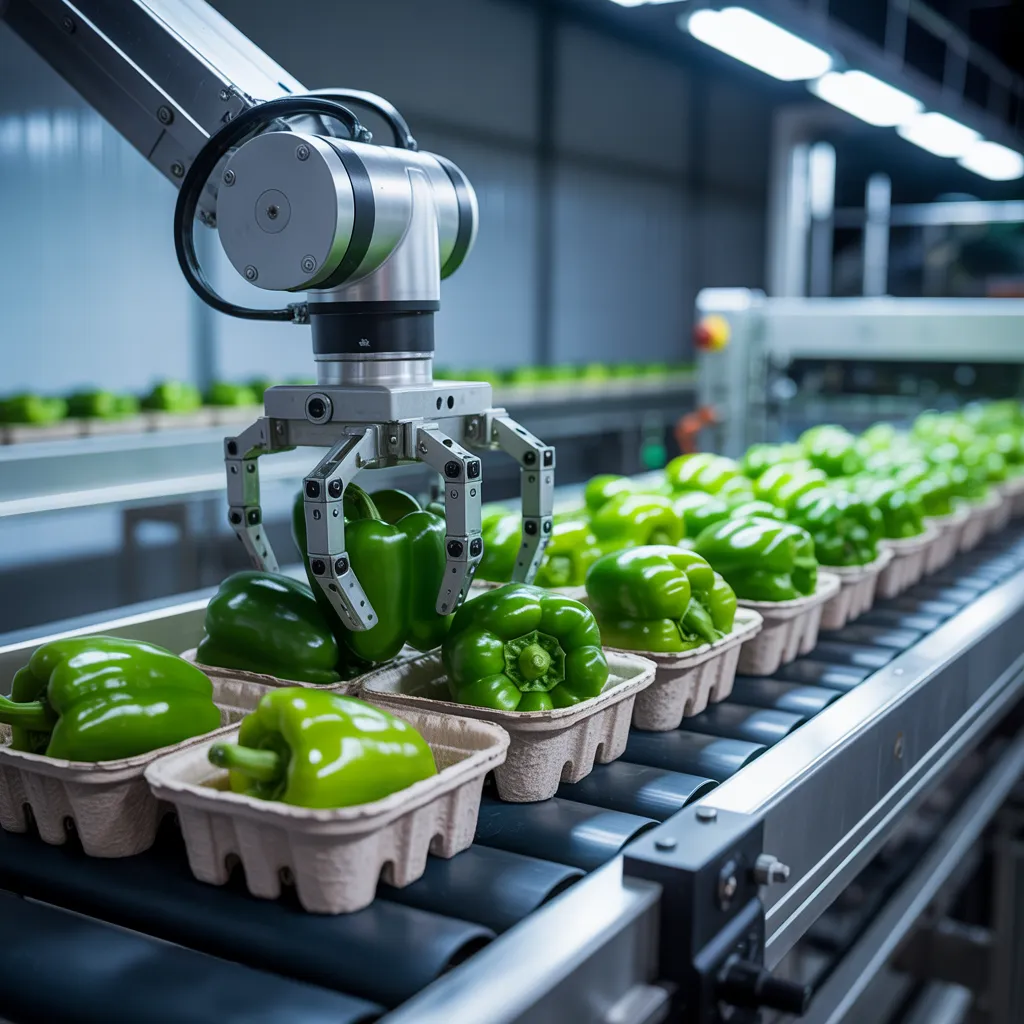
Additionally, smart packaging systems, including QR codes and sensors, enhance traceability and lower food waste by giving consumers with real-time information about freshness and shelf life. Automation and robotics in production processes are enhancing manufacturing, lowering waste and energy consumption. Moreover, digital printing innovations enable more efficient use of inks and materials, supporting customization without jeopardizing sustainability.
Emerging Developments in Perishable Food Packaging
With the ongoing evolution of fresh produce demand, cutting-edge packaging solutions are developing to tackle both ecological considerations and consumer preferences. Compostable materials are entering the mainstream, with companies researching plant-based plastics and compostable films that minimize landfill waste. Smart packaging innovations are also growing, featuring sensors to monitor freshness and provide real-time data on product quality. This not only enhances customer experience but also decreases food waste.
Furthermore, modular designs are gaining momentum, facilitating customizable packaging that conforms to different produce types while optimizing space during transportation. The integration of minimalist aesthetics satisfies consumer demand for sustainability without sacrificing style. As these innovations unfold, they aim to transform the landscape of fresh produce packaging, reconciling ecological responsibility with practical functionality and consumer appeal. The future of packaging in this sector looks promising, establishing a more sustainable approach to food distribution.
Common Questions
How Should Consumers Properly Recycle Fresh Produce Boxes?
People can effectively recycle fruit and vegetable boxes by beginning by removing any plastic parts, then compressing the boxes, and placing them in specified recycling bins. They complete info should consult local guidelines to confirm correct recycling practices are followed.
What Are the Price Factors for Sustainable Packaging?
The expenses related to sustainable packaging commonly comprise elevated material costs, manufacturing modifications, and prospective supply chain revisions. Yet, extended-term cost reductions may arise from reduced waste, enhanced brand loyalty, and alignment with environmental regulations.
Are There Certifications for Eco-Friendly Produce Packaging?
Indeed, multiple certifications can be found for eco-friendly produce packaging, including FSC, USDA Organic, and Cradle to Cradle. These certifications confirm that materials adhere to environmental standards, fostering sustainability and responsible sourcing in packaging solutions.
In What Ways Do Fresh Produce Boxes Affect Food Shelf Life?
Produce storage boxes can significantly affect food shelf life by offering excellent ventilation, moisture control, and protection from physical damage. These elements help preserve freshness, decreasing spoilage and prolonging the usability of the contents.
Is It Possible to Reuse Sustainable Packaging for Other Purposes?
Eco-friendly packaging materials can frequently be repurposed for different uses, such as storage or organization. Its strength and environmentally responsible composition inspire people to give items second lives, encouraging resource and cutting down on total environmental waste.